Recent Posts
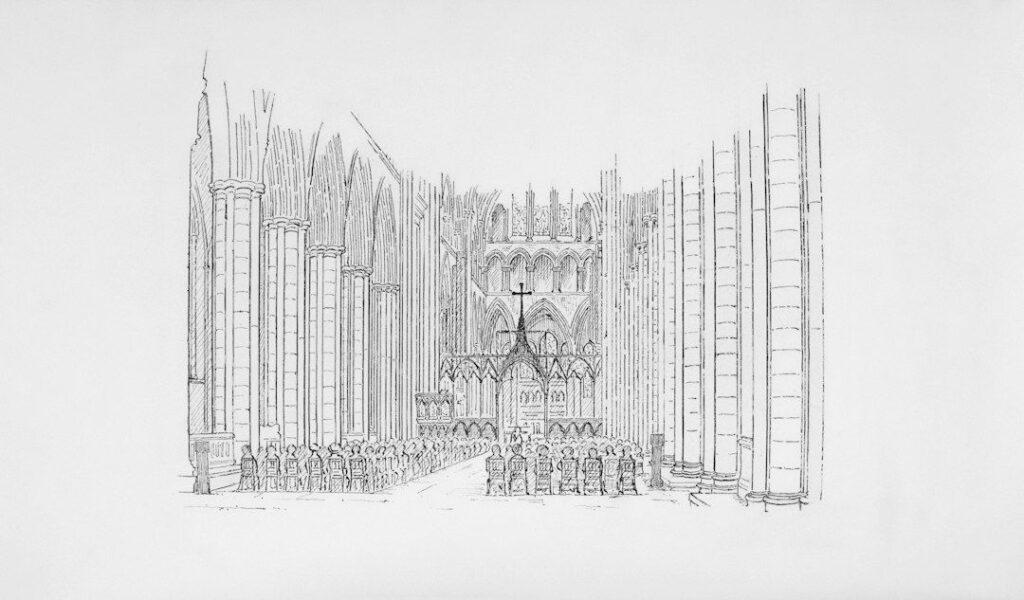
Constructing the Illusion: How Linear and Atmospheric Perspective Build Convincing Depth
Unlocking the Optical Mystery of Spatial Depth Every painter eventually confronts the same quiet contradiction: the world is spatial, continuous, and inhabited by air, while the canvas is a flat surface with fixed edges. A road extends toward a horizon, a room opens around a figure, and a mountain dissolves into distance, yet every one […]

Beyond Surface Mimicry: How to Reverse-Engineer Master Paintings
The Anatomy of Visual Inquiry A master study becomes transformative at the moment it stops being a polite imitation. Passive copying follows the visible surface, reproducing colors, contours, and small passages as though the painting were a flat image to be transcribed. Active structural deconstruction asks a more consequential question: what sequence of decisions made […]
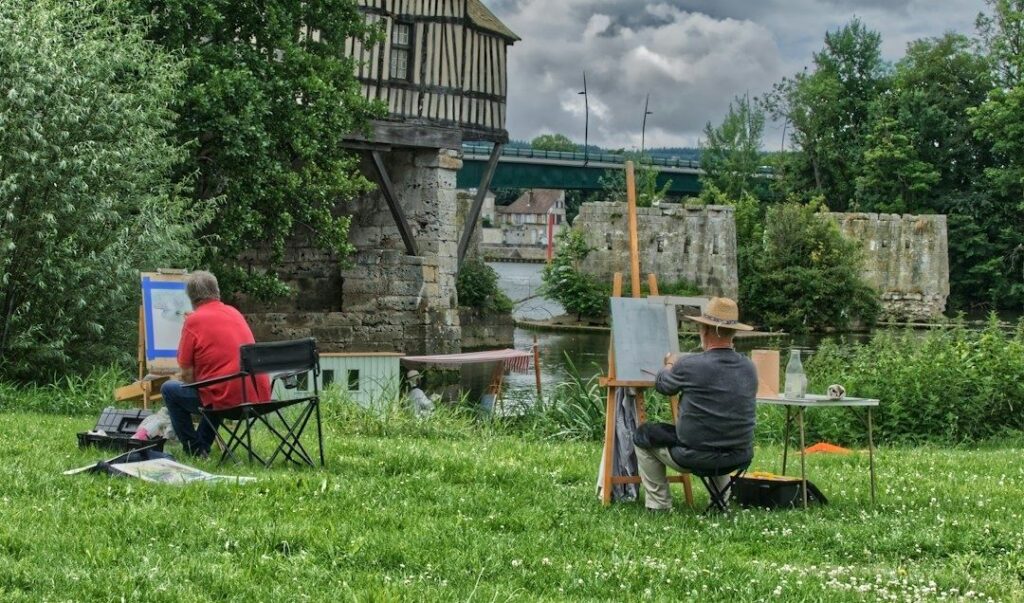
How Light Left the Studio: Understanding Color Temperature Through Plein-Air Painting
Stepping Away from the Bitumen Palette Before landscape painting became an encounter with weather, many artists worked in the controlled gloom of the academic studio. Illumination was carefully managed, poses were held still, and shadows were often translated into umbers, asphaltum, bitumen, and neutral gray. These dark materials could create gravity and solidity, but they […]
Best Running Music Motivation 2016
Gallery